
When the Trail Turns to Glass: Hiking Across Obsidian and Lava Flows
Terrain & Skills | September 16, 2026
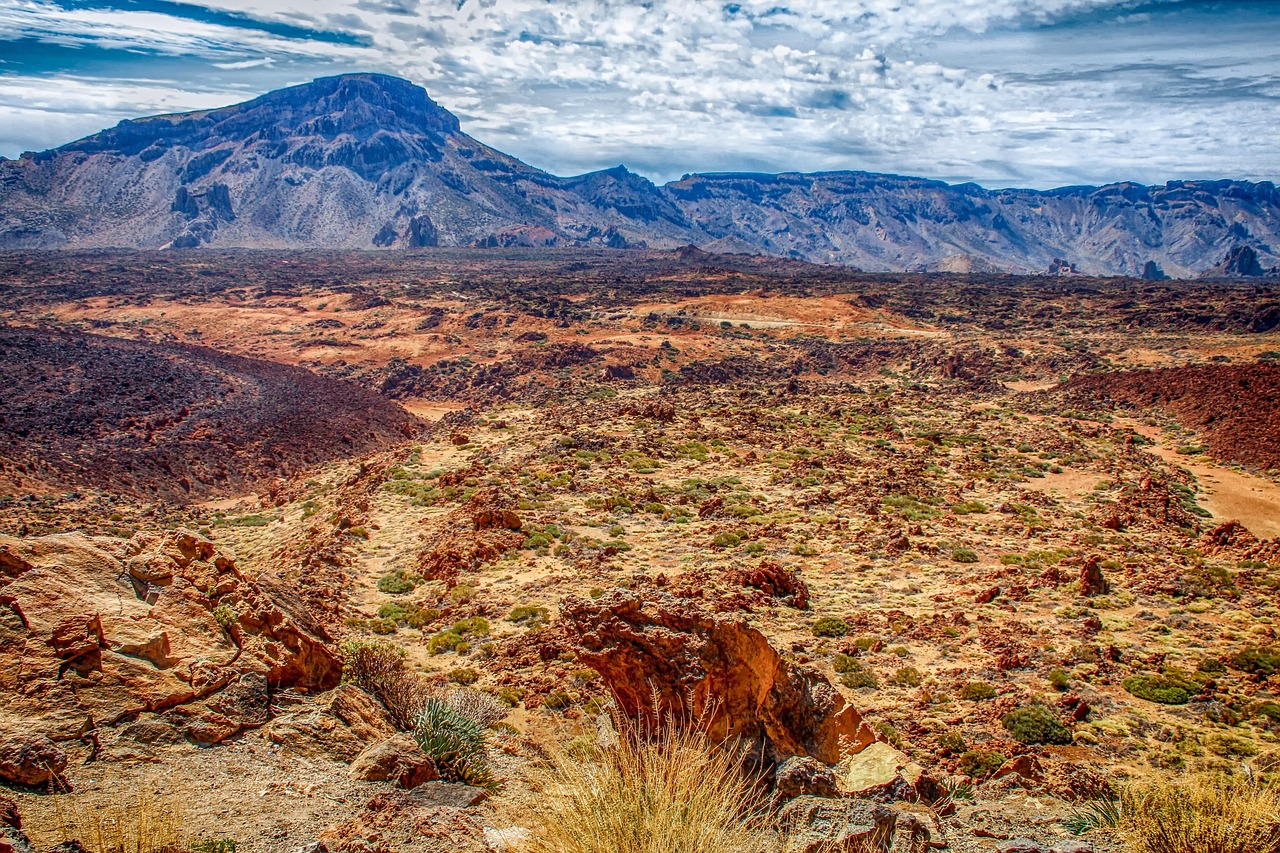
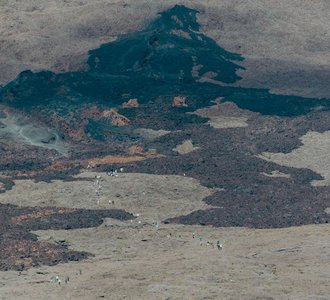
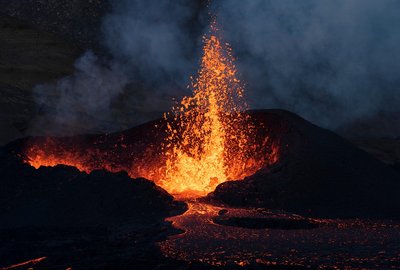
There is a moment on certain volcanic hikes when the trail disappears and you realize you are walking on a river that stopped flowing a thousand years ago. Lava flows are not smooth ribbons of black rock. They are chaotic, broken, and full of hidden gaps. Some are ropy and undulating, cooled into shapes that look like twisted taffy. Others are jagged blocks of a'a, sharp enough to slice a boot or a hand if you are careless. And then there is obsidian, volcanic glass that forms when lava cools so fast that crystals never get a chance to grow. It shines like a black mirror and breaks into edges sharper than a scalpel.
Hiking across these surfaces is slow work. The rock is uneven, often unstable, and sometimes hollow-sounding underfoot. You learn to test each step, to look for the flatter, more solid sections, and to avoid the glassy, fractured edges. Trekking poles help, but the real skill is reading the flow. Older flows tend to be more weathered, with soil and plants filling the cracks. Younger flows are still raw, their surfaces dark and clean, and they can be surprisingly slippery when wet or dusty.
Finding a Line Through the Chaos
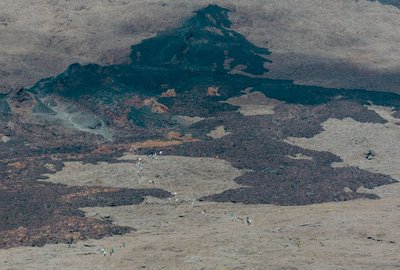
Route-finding on a lava flow is less about following a trail and more about linking patches of stable ground. Look for areas where the flow has broken into larger, flatter plates, or where ash or sediment has collected in depressions. Avoid the obvious cracks and holes, but also keep an eye on the wider shape of the flow. Sometimes the easiest path is along a ridge or a raised channel where the lava piled up thicker and cooled more evenly. In other places, a dry streambed or a game trail will cut through the flow and give you a natural corridor.
It is also worth paying attention to the color and texture of the rock. Fresh obsidian is glossy and dark, sometimes with a greenish or brownish sheen. Older flows may be covered in lichen, which gives them a dull, gray-green look and often signals a more stable surface. If you are hiking in a group, spread out a little so you can see each other's footing, but not so far that you lose contact. Voices carry strangely across lava fields, and it is easy to think someone is closer than they are.
Why It Is Worth the Slowness
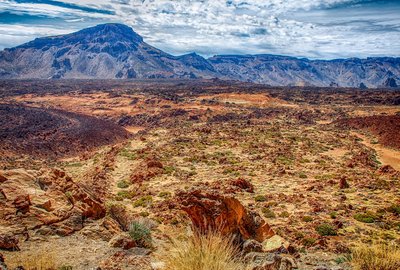
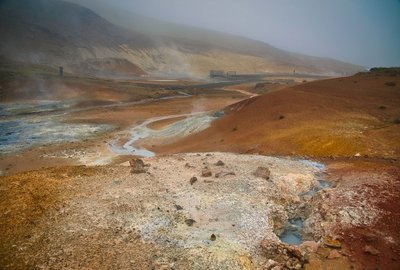
The reward for all this careful stepping is a landscape that feels genuinely alien. Lava flows preserve the shapes of their own making: pressure ridges, tumuli, and collapsed lava tubes that leave long, shallow trenches. In some places, you can see where the flow entered a valley and dammed a stream, creating a small lake or wetland that still exists today. Obsidian outcrops catch the light in a way that no photograph quite captures, and the sound of wind moving across a field of broken glass is unlike anything else.
This kind of hiking is not for everyone, and it is not for every day. It demands good boots, strong ankles, and a willingness to go slower than you planned. But if you give it time, a lava flow stops being an obstacle and becomes a kind of archive. Every ridge and crack is a record of movement and cooling, of a substance that was once liquid fire and is now hard enough to walk on. That is a strange and wonderful thing to feel under your feet.


Cinder Crest
Some of the best rewards for a volcanic hike are not summits but soakings, where geothermal heat meets cold mountain water in pools that feel almost too good to be true.