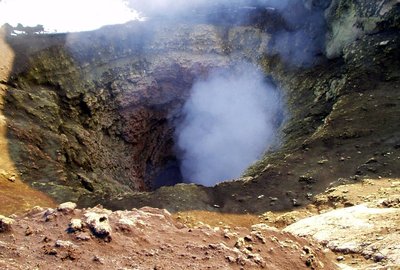
Beyond the Crater: Exploring Lava Tubes and Volcanic Caves
Trail Guides | September 25, 2026
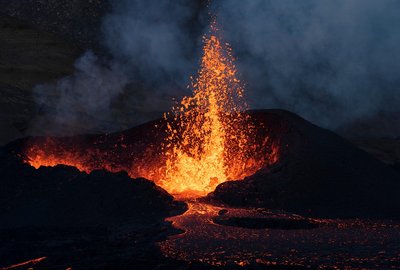
Most people picture volcanoes as peaks and craters, but some of the most fascinating volcanic landscapes are underground. Lava tubes form when the surface of a lava flow cools and hardens while molten rock continues flowing beneath it. When the eruption ends, what remains is a natural tunnel, sometimes hundreds of meters long.
Walking through a lava tube feels like stepping into another world. The walls are smooth and glassy in places, rough and ropey in others. The air is cool and still. The silence is total, broken only by your own footsteps and the occasional drip of water.
What Makes Lava Tubes Special
Lava tubes preserve features you will never see on the surface. You can find flow lines that mark the level of ancient lava rivers, stalactite-like formations called lavacicles, and fragile mineral deposits that took thousands of years to form. Some tubes hold ice year-round, even in warm climates, because cold air settles and stays trapped inside.
They are also delicate. A single careless touch can destroy formations that will never grow back. Stay on established paths, never touch the walls, and never take anything with you. Leave every feature exactly as you found it.
Staying Safe Underground
Lava tubes are dark in a way that surface hikers rarely experience. Bring at least two light sources per person, plus spare batteries. A headlamp keeps your hands free and lights the path ahead, while a handheld light lets you examine features without blinding your companions.
Watch your head. Tube ceilings vary wildly in height, and low sections can appear without warning. A helmet is a good idea in undeveloped tubes, and sturdy shoes with grip are essential on uneven floors.
Never enter a lava tube alone, and never enter one that is not officially open to visitors. Some tubes are unstable, some flood without warning, and some contain dangerous gases. Check with local land managers before you go.
If you are new to this world, start with a guided tour. Rangers and local guides know which tubes are safe, where the best formations are, and how to read the signs of changing conditions. Once you have a feel for it, you can explore more challenging tubes with confidence. The underground side of volcanism is quieter and stranger than the summit, and it is absolutely worth the trip.


-
Above the Clouds, Below the Summit: Hiking Volcanic Ridges and Caldera Rims
Sep 2, 2026Destinations

-

-


Cinder Crest
A practical packing list built for loose scree, sharp lava, and weather that changes without warning.