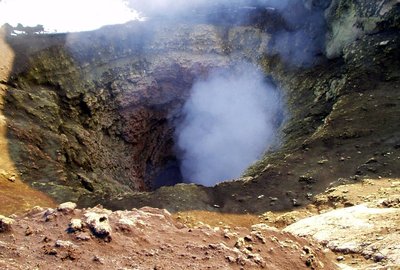

Packing for Volcanic Terrain: A Realistic Gear Checklist
Gear & Prep | September 22, 2026
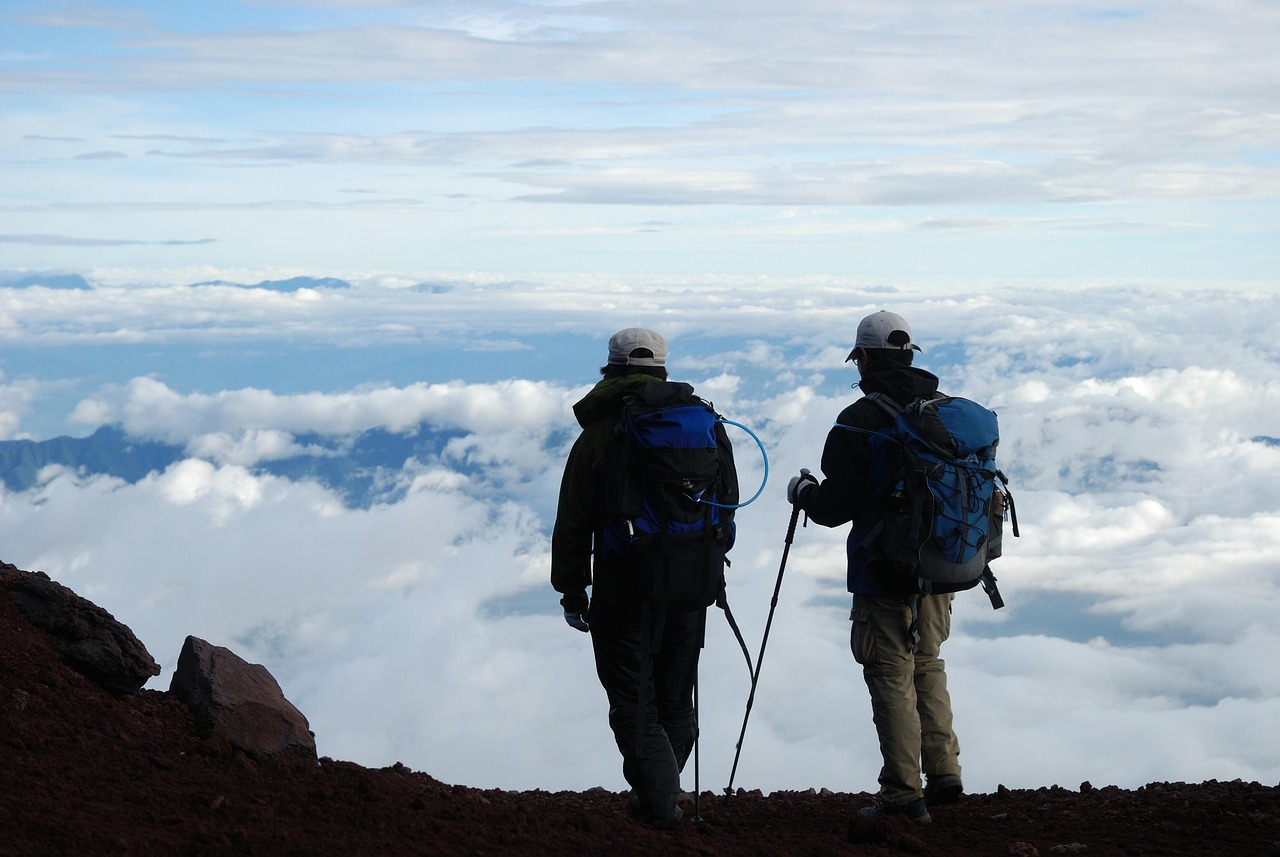
Volcanic hiking gear is not dramatically different from regular hiking gear, but a few adjustments make a huge difference. The terrain is rougher, the weather is less predictable, and the consequences of being unprepared are higher. Here is what actually earns its place in your pack.
Before you buy anything new, take an honest look at what you already own. Most hikers already have the core items. The trick is choosing the right versions and leaving the unnecessary weight at home.
The Essentials
Boots. This is the one place not to compromise. You want a stiff sole, high ankle support, and a rubber compound that grips on loose rock. Trail runners work for short, well-maintained paths, but anything longer deserves proper boots.
Layers. A breathable base layer, a warm mid layer, and a windproof and waterproof shell cover almost every condition. Wool or synthetic fabrics beat cotton every time. Pack an extra warm layer even in summer, because high volcanic elevations get cold fast.
Water and food. Carry at least two liters for a half-day hike, more if there is no shade. Add electrolytes if you sweat heavily. Bring high-energy snacks you actually enjoy eating, because appetite fades at altitude.
Navigation. A paper map and compass never run out of batteries. A GPS app on your phone is a great backup, but keep the phone warm and carry a power bank. Trails in volcanic areas are often faint and easy to lose.
Small Items That Punch Above Their Weight
Gaiters. They keep ash, cinders, and small rocks out of your boots. If you hike on scree or ash, they are worth every gram.
Trekking poles. On loose descents, poles save your knees and reduce the chance of a fall. They also help with balance on uneven lava.
Headlamp. Even on a day hike, carry one. Delays happen, and finishing a trail in the dark without light is miserable and dangerous.
Gloves. Light work gloves protect your hands if you need to brace yourself on sharp rock. They also keep fingers warm on cold summit mornings.
First aid kit. Include blister care, pain relievers, and a small roll of tape. Volcanic terrain produces blisters and small cuts more than most trails.
Finally, pack a trash bag. Volcanic landscapes are fragile, and any litter you carry out is one less thing damaging a place that took thousands of years to form. Keep your pack light, keep your prep thorough, and the mountain will give you everything you came for.
-

-

-
Above the Clouds, Below the Summit: Hiking Volcanic Ridges and Caldera Rims
Sep 22, 2026Trail Guides


Cinder Crest
Cinder cones may lack the drama of stratovolcanoes, but their sharp ridges, loose scree, and sudden summit views make them some of the most rewarding short hikes in volcanic country.