Volcanic Hot Springs and Steamy Creeks: Soaking in the Aftermath
Destinations | September 13, 2026
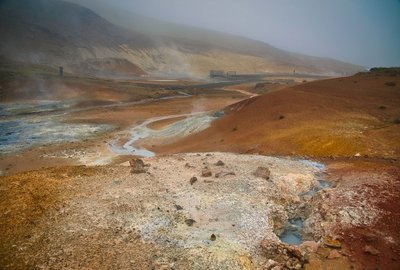
Volcanic landscapes are not just about climbing. They are also about heat, and where that heat meets water, you get some of the most memorable places a hiker can visit. Hot springs in volcanic regions come in all shapes and sizes: clear pools lined with smooth rock, muddy cauldrons that smell of sulfur, and quiet creeks where warm water seeps up through the gravel and mixes with cold snowmelt. After a long day on rough trails, soaking in one of these is not just a luxury. It feels like the mountain is offering you something back.
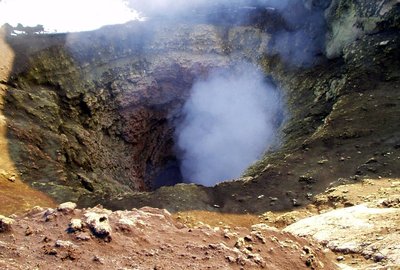
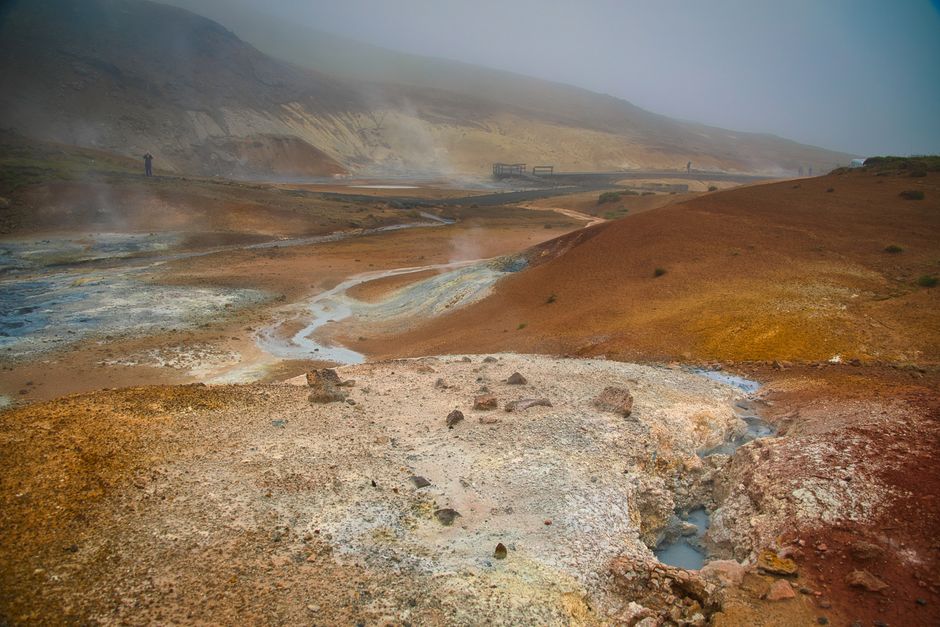
The geology behind them is simple enough. Groundwater percolates down through fractures in the rock, gets heated by magma or hot rock deep below, and rises back to the surface. Along the way it picks up minerals, which is why some springs are bright turquoise, others are milky white, and a few are stained orange or red by iron and other elements. The temperature can range from pleasantly warm to dangerously hot, and that is the first thing to check before you get in.
Soaking Smart and Staying Safe
Not every hot spring is safe, and not every safe spring is safe every day. Volcanic systems are dynamic, and temperatures can change with rainfall, seismic activity, or shifts in the plumbing below. Before you soak, test the water with your hand or foot, and look for signs of recent change: new cracks, dead vegetation, or a sudden increase in steam. If a spring smells strongly of rotten eggs, that is hydrogen sulfide, which is common but can be harmful in enclosed spaces. Stay in open, well-ventilated areas, and never put your head under the water in a spring that smells strongly.
It is also worth respecting the rules of the land you are on. Many hot springs sit on protected land, and some are sacred to indigenous peoples. Pack out everything you bring in, avoid soap and sunscreen in the water, and keep your visit quiet and low-impact. If a spring is clearly a local gathering place, treat it that way. You are a guest, not the owner.
Finding the Quiet Ones
The most famous hot springs are famous for a reason, but they are also crowded. If you are willing to hike a little further, you can often find smaller, quieter pools that see far fewer people. Look for side drainages off main trails, or follow the smell of sulfur and the sound of running water. In some volcanic areas, warm creeks run for miles, and you can find a comfortable spot simply by walking upstream until the temperature feels right. These are the places where you can sit in warm water, watch steam rise into cold air, and feel the strange pleasure of being warmed by the same forces that built the mountains around you.
Just remember that hot springs are not swimming pools. They are wild places, connected to deep systems you cannot see. Treat them with the same caution and respect you would give any other volcanic feature, and they will reward you with one of the best endings a hike can have.


Cinder Crest
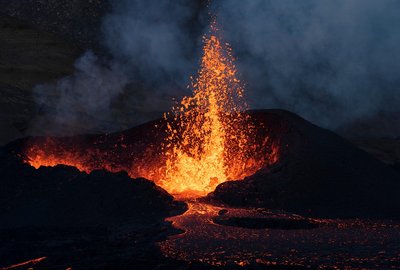
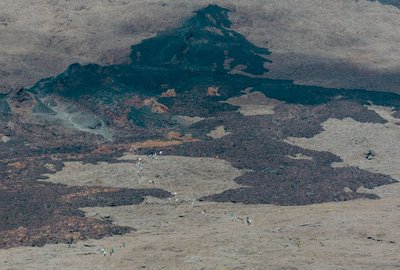
Recent eruptions leave behind a landscape of ash and pumice that is beautiful, disorienting, and full of practical challenges for anyone who wants to walk on it.