

The Quiet Power of Cinder Cones: Why Small Volcanoes Deserve Big Respect
Trail Guides | September 19, 2026
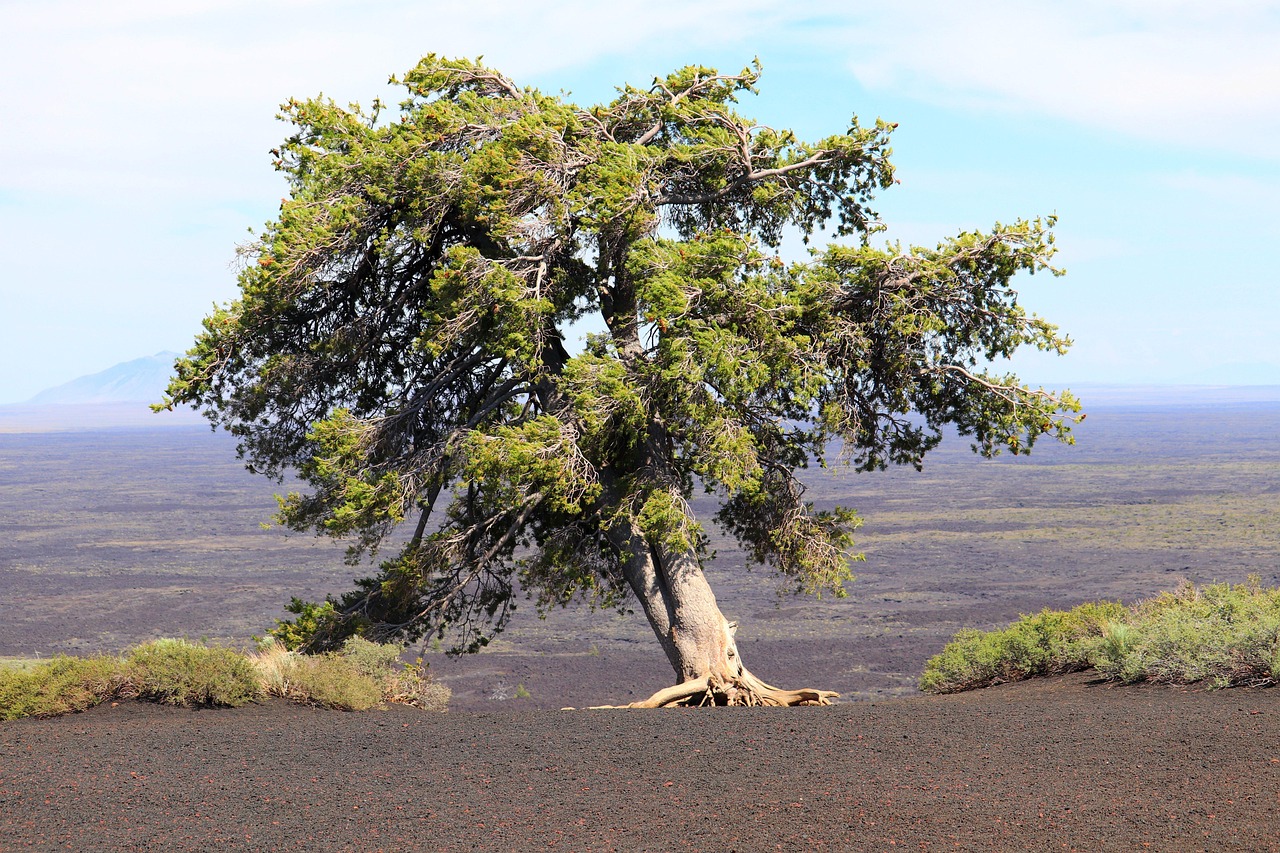
Ask most hikers to name a volcano and they will picture a towering, snow-capped cone like Fuji or Rainier. But spend enough time in volcanic landscapes and you start to appreciate the smaller characters in the room: cinder cones. These modest hills, built from frothy bits of lava flung into the air and settled around a vent, rarely top a few hundred meters above their surroundings. What they lack in stature, they make up for in texture, character, and a surprisingly honest kind of challenge.
Cinder cones are young by geological standards, often just tens of thousands of years old, and erosion has barely had time to soften them. That means you are walking on the original surface in places, a loose mosaic of ash, lapilli, and scoria that shifts underfoot with every step. Some cones are reddish, oxidized iron giving them a rusty glow in late light. Others are jet black and look almost artificial, like a pile of gravel left behind by a giant. Either way, the trail is usually straightforward: up and around the rim, then back down. Simple does not mean easy.
What the Climb Actually Feels Like
The first thing you notice on a cinder cone is the ground. It is not compacted dirt or rock; it is loose. Each step sinks a little, then slides back half a pace. On steeper cones, this can feel like walking up a sand dune that occasionally bites. The trick is short, deliberate steps, weight forward, and poles if you have them. Rushing only makes it worse, and the descent is where people get into trouble. Running down a cinder slope is tempting and also a great way to shred your knees or take a tumble into sharp scoria.
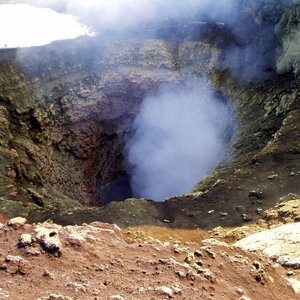
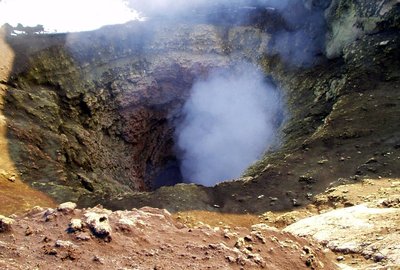
The reward comes at the rim. Because cinder cones often sit alone or in clusters on open ground, the view is rarely blocked. You get a 360-degree panorama with no trees to filter it, just the raw shape of the land. You can usually see the crater itself, a bowl of loose red or black rock, sometimes with a smaller inner cone from a later eruption. Standing there, it is easy to imagine the vent that built the whole thing in a matter of months or years, not millennia.
Reading the Landscape Around You
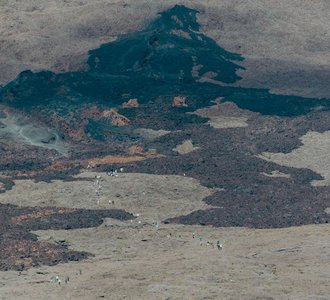
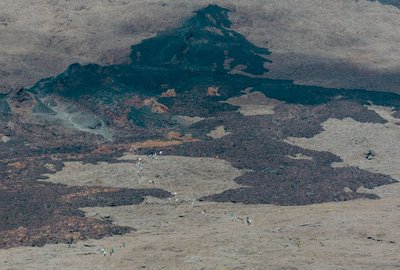
One of the joys of hiking cinder cones is how much they teach you about the terrain. Lava flows often skirt around them, and you can trace the edges where molten rock pushed against the base of the cone. Older cones may be partly buried by younger flows, giving you a rough sense of which eruptions came first. If you hike in a volcanic field with several cones, you start to see patterns: alignments along fissures, clusters around a central vent, and the way wind and water have carved gullies into the softer ash.
These hikes are also a good reminder that volcanic landscapes are not just about the big, dangerous peaks. They are about accumulation, patience, and the slow work of wind and rain. A cinder cone is a small story in a larger one, and walking up one is a way of reading that story with your feet. Bring water, wear boots with good tread, and give yourself more time than you think you need. The summit will still be there, and the view is worth the slide.
-

-
Above the Clouds, Below the Summit: Hiking Volcanic Ridges and Caldera Rims
Sep 20, 2026Adventure Stories

-


-

-
The Quiet Power of Cinder Cones: Why Small Volcanoes Deserve Big Respect
Oct 2, 2026Adventure Stories

-

Cinder Crest

Walking on old lava flows is a test of ankles, patience, and route-finding, but it opens up some of the strangest and most beautiful terrain in the volcanic world.