
Above the Clouds, Below the Summit: Hiking Volcanic Ridges and Caldera Rims
Trail Guides | September 7, 2026
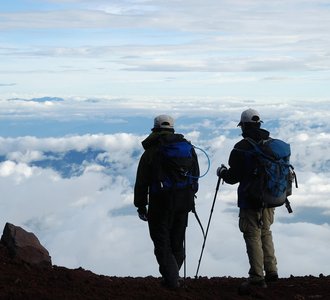
Some of the best hikes in volcanic country do not go to the top of a peak. They go around the edge of something much larger. Calderas, the huge basins left behind when a volcano collapses or erupts catastrophically, are often ringed by high ridges that offer long, sweeping walks with views in every direction. These rim trails are usually less crowded than summit routes, and they give you a sense of scale that is hard to get from anywhere else. You are not just looking at a volcano. You are walking around the scar it left behind.
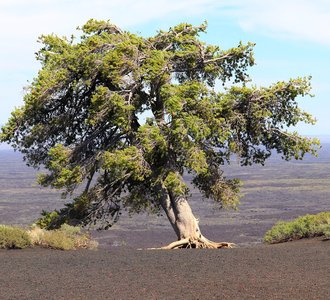
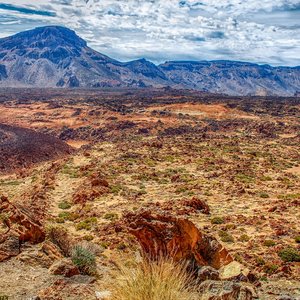
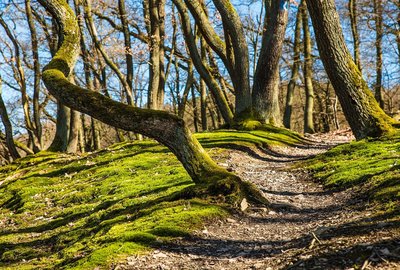
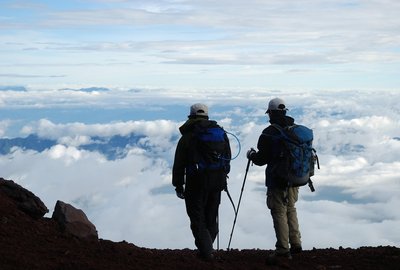
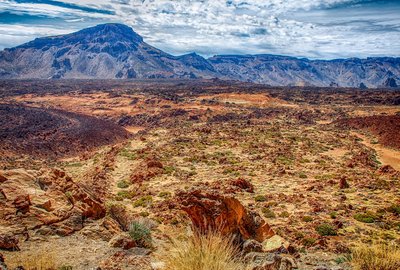
The terrain on a caldera rim is varied. Some sections follow sharp, rocky ridges with steep drops on both sides. Others traverse softer slopes covered in ash or pumice, or wind through pockets of forest that have grown up in the shelter of the rim. The elevation is often high, which means cooler temperatures, stronger winds, and weather that can change quickly. But the rewards are constant: overlooks into the caldera itself, distant views of other volcanoes, and a quiet that feels different from the busy trails below.
Reading the Rim
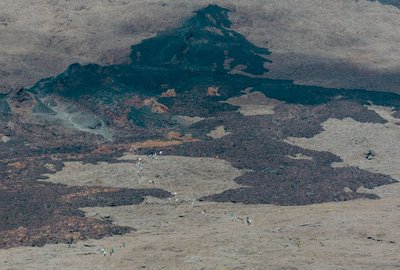
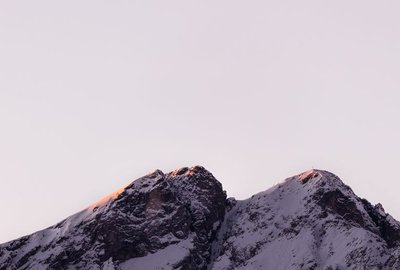
A caldera rim is not a uniform circle. It is a complex edge, shaped by landslides, erosion, and later eruptions. Some sections are higher than others, and some are broken by gullies or lava flows that spilled over the edge. As you walk, you can often see layers of ash and lava in the exposed walls, a vertical record of the volcano's history. In places, the rim may be covered in snow or ice, even when the caldera floor below is green and warm. That contrast is part of what makes these hikes so striking.
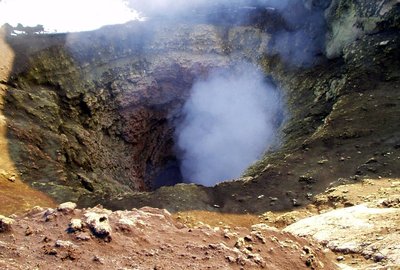
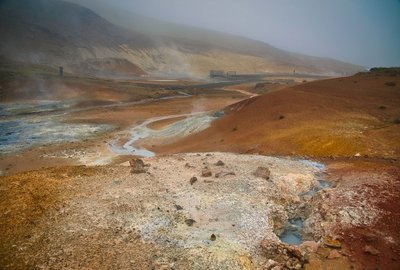
Navigation on a rim trail is usually straightforward, but it pays to know where the safe overlooks are and where the edge is crumbly or undercut. Stay back from the lip unless you are on a clearly established viewpoint, and be especially careful on windy days. It is also worth checking whether the caldera is still active. Some are quiet and heavily forested, while others have steaming vents, fumaroles, and restricted areas. Respect all closures and signs, and do not assume that a quiet-looking basin is harmless.
The Long View
What makes caldera rim hikes special is the perspective they give you. From the rim, you can see the whole shape of the eruption that formed the basin, the way the land collapsed inward, and the way life has returned to the edges and floor. You can trace old lava flows, spot cinder cones that grew after the collapse, and watch clouds pour over the rim like water. It is a view that rewards patience, and it is best taken slowly, with plenty of stops.
These hikes are not about bagging a peak or setting a time. They are about walking the edge of something enormous, and letting that scale sink in. Bring layers, bring water, and bring a willingness to sit and look. The caldera will not go anywhere, but the light will change, the clouds will move, and the mountain will keep showing you something new.


-

-
Above the Clouds, Below the Summit: Hiking Volcanic Ridges and Caldera Rims
Sep 25, 2026Adventure Stories

-

Cinder Crest
Everything first-time volcano hikers need to know about gear, terrain, and respecting the raw power under their boots.