
Ash, Pumice, and Dust: Hiking on Volcanoes That Have Recently Erupted
Terrain & Skills | September 10, 2026
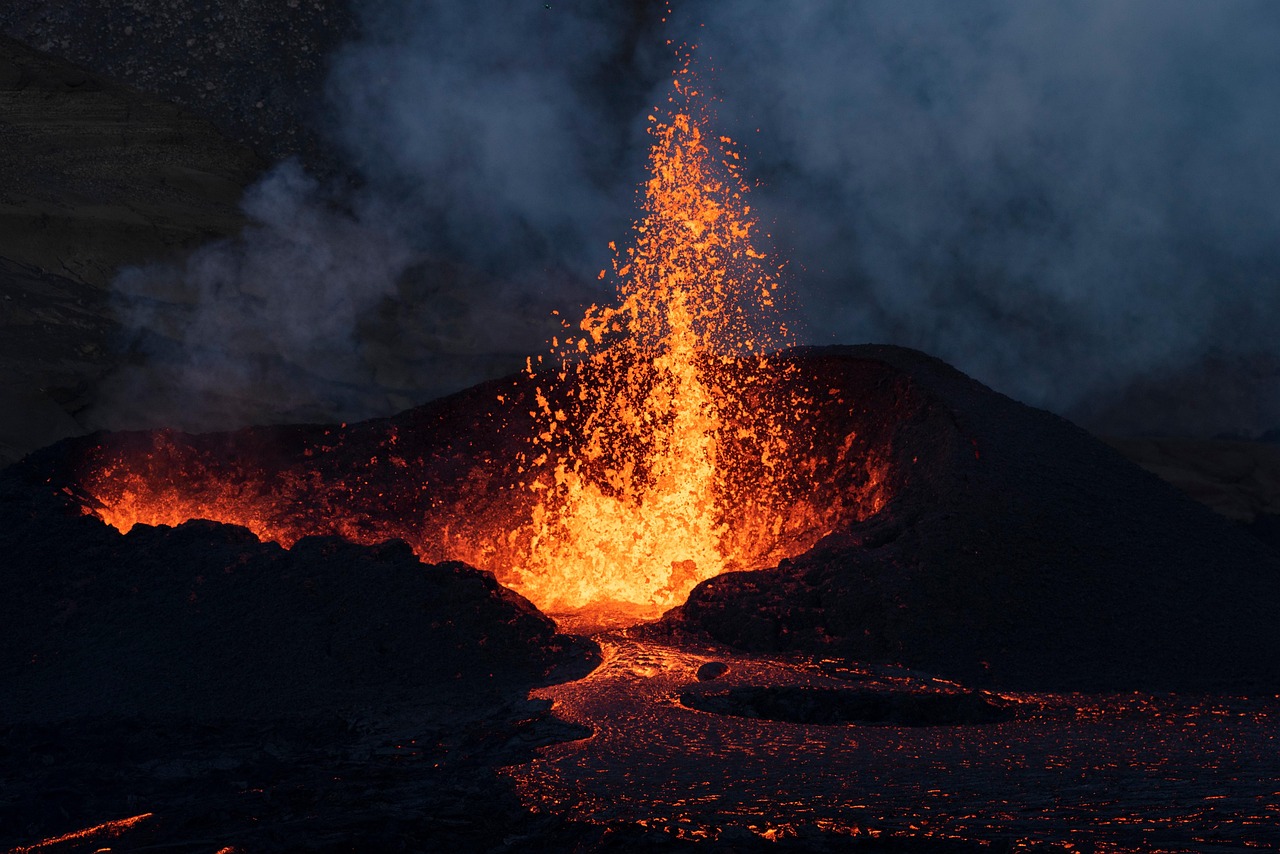
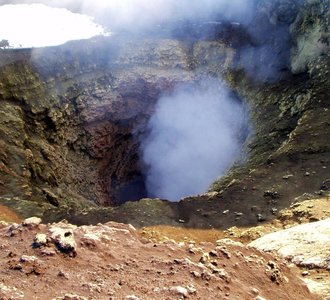
There is a particular kind of quiet that follows an eruption. Not silence exactly, but a muffled, dusty stillness where the ground is soft and gray and every step raises a small cloud. Hiking on recently erupted terrain is a different experience from walking on old lava flows. The rock here has not had time to weather or settle. It is loose, light, and often surprisingly deep. Ash behaves a bit like dry sand or fresh snow, and pumice, which is basically frothy volcanic foam, can pile up in drifts that swallow your boots.
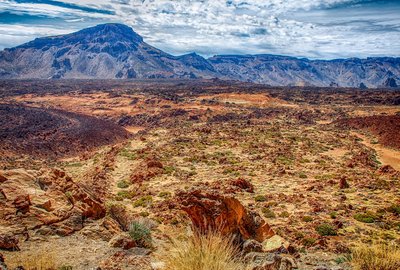
The first thing you notice is how much the landscape has changed. Familiar ridges may be gone, buried under new layers of tephra. Streams may have shifted or disappeared. Trails that existed last year might be unrecognizable, and new routes may have opened up where none existed before. This is not a place to rely on old maps or outdated guidebooks. Local knowledge, recent reports, and a willingness to turn around are more valuable than any GPS track.
Walking on Soft Ground
Ash and pumice are light, but they are also abrasive and unpredictable. On flat ground, you sink a little with each step, which is tiring over long distances. On slopes, the surface can slide, especially if the ash is dry and fine. The trick is to keep your steps short and your weight centered, and to avoid steep, loose sections where a slip could send you sliding. Gaiters help keep ash out of your boots, and a buff or mask is worth carrying if the wind picks up. Dust can be a real problem, both for your lungs and for your camera or phone.
Pumice is a strange material to walk on. It is light enough to float on water, and it crunches underfoot like Styrofoam. In thick deposits, it can form steep, unstable slopes that look solid but give way easily. If you are crossing a pumice field, test the ground ahead with a pole and avoid the steepest faces. Ash, on the other hand, can harden into a crust after rain, which makes walking easier but also hides the soft ground beneath. That crust can break unexpectedly, so pay attention to the sound and feel of each step.
Respecting the Recovery
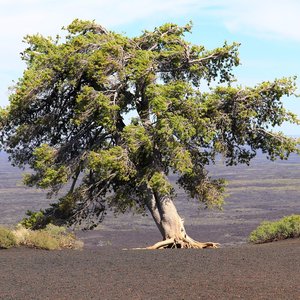
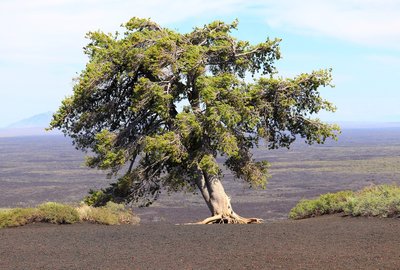
Recent eruptions are not just geological events. They are ecological ones. Plants and animals are already beginning to return to these landscapes, often in ways that are easy to miss. Small insects, hardy grasses, and even a few shrubs may be pushing up through the ash. Walking carefully, staying on established routes where they exist, and avoiding areas that are still active or closed by authorities are all part of being a good visitor. The landscape is not just recovering for our enjoyment. It is recovering for its own sake.
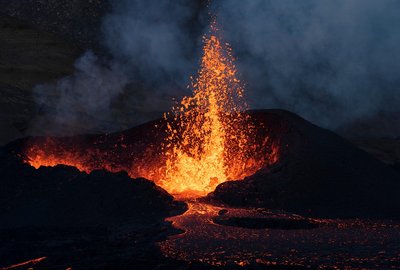
Hiking on recently erupted ground is a reminder that volcanoes are not static backdrops. They are active, ongoing processes, and we are just passing through. That can feel humbling, and it should. It can also feel exhilarating. There are few places where you can see the earth so clearly in the middle of making itself, and walking across that raw, dusty surface is a privilege worth treating with care.


-

-

-
Above the Clouds, Below the Summit: Hiking Volcanic Ridges and Caldera Rims
Aug 30, 2026Gear & Prep

Cinder Crest

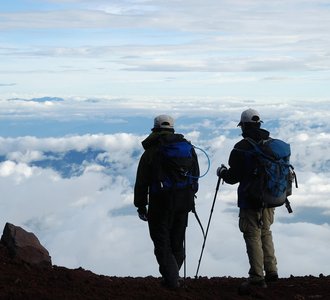
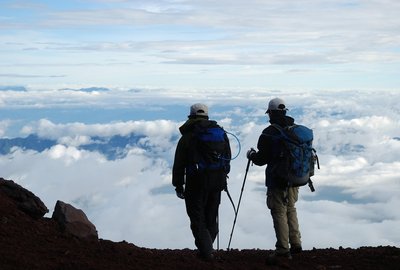
Caldera rims and volcanic ridges offer some of the most dramatic walking in the world, with views that stretch across old eruption sites and into the sky itself.