
Safety on Active Volcanoes: Reading Warning Signs and Staying Smart
Safety Tips | September 28, 2026
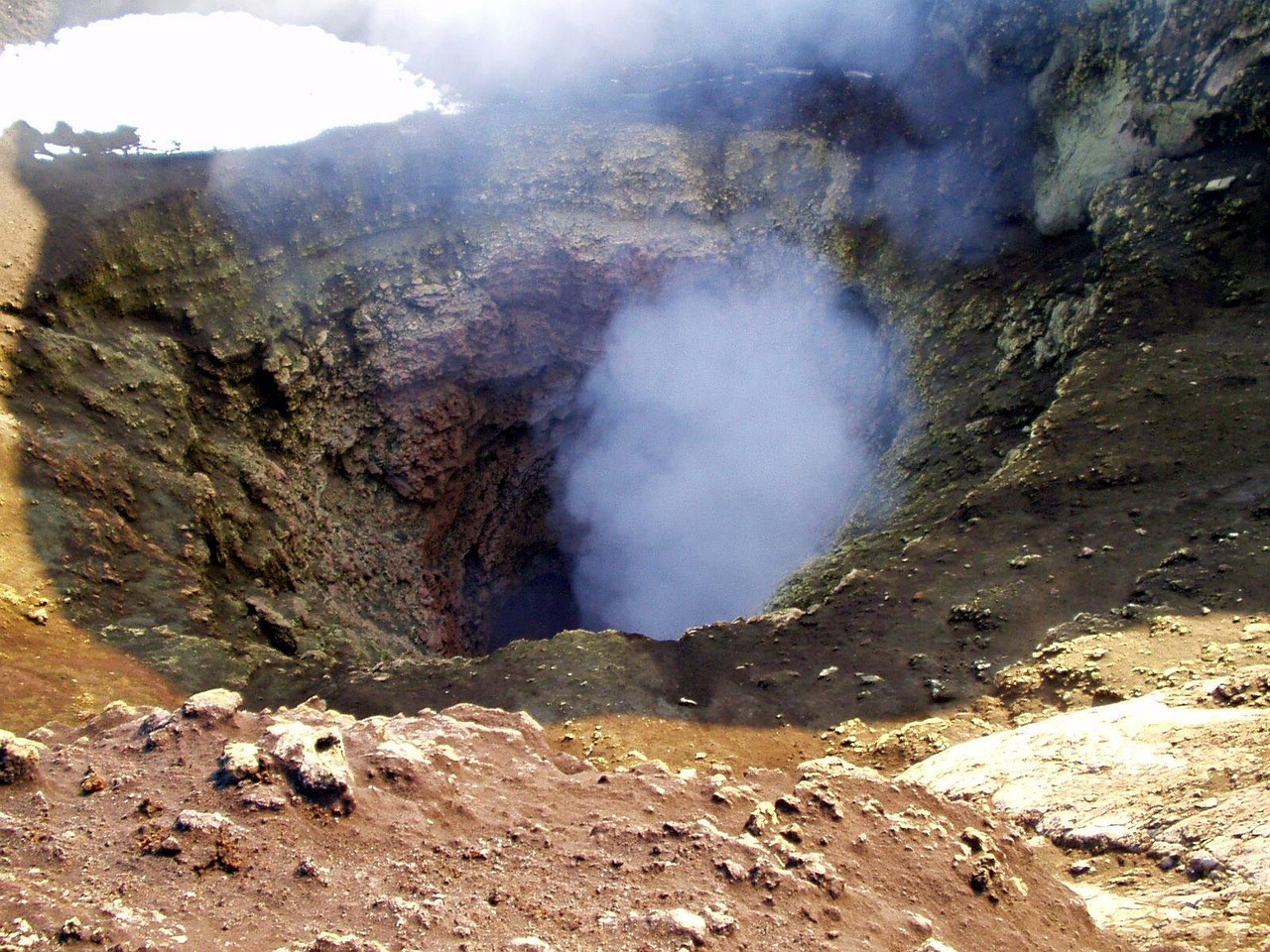
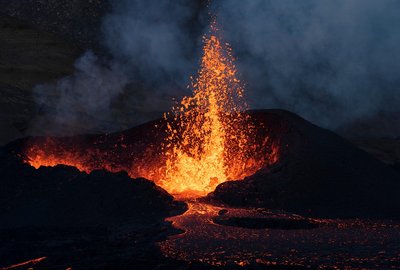
Hiking around volcanoes is a privilege, but it comes with risks that ordinary trails do not have. Active and dormant volcanoes can surprise even experienced hikers, and understanding those risks is the difference between a great story and a cautionary tale. This is not about fear. It is about respect.
Most volcanic areas that welcome hikers are carefully monitored. Agencies track gas emissions, ground deformation, and seismic activity, and they close trails when conditions change. Your job is simple: check the current status before you go, and take closures seriously. A trail that was open last month may be off-limits today.
Signs That Deserve Your Attention
Gas is one of the most underestimated hazards. Sulfur dioxide and carbon dioxide can pool in low areas, especially in calm weather. If you feel a sudden headache, dizziness, or irritation in your throat, move uphill and upwind immediately. Do not linger to take photos.
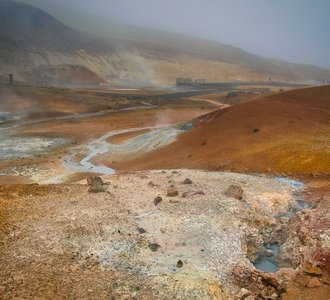
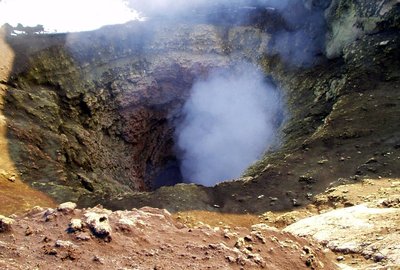
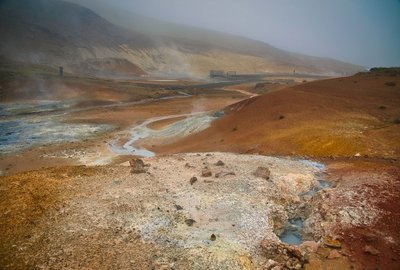
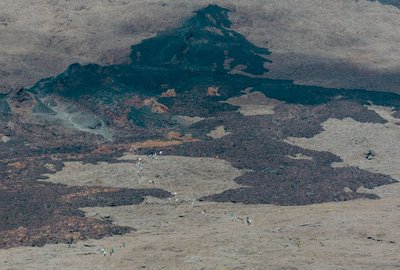
Steam vents and fumaroles look harmless but the ground around them can be thin and hot. Never step off the marked trail to approach one. Crusts over hot ground collapse without warning, and the burns can be severe. The same goes for cracks in lava fields, which can be deep and hidden by loose rock.
Watch for rockfall in steep areas. Volcanic slopes are often loose, and a single dislodged stone can trigger a small slide. Hike early in the day when the ground is still firm, avoid gullies where debris collects, and never hike directly below another party on a scree slope.
Weather and Preparation
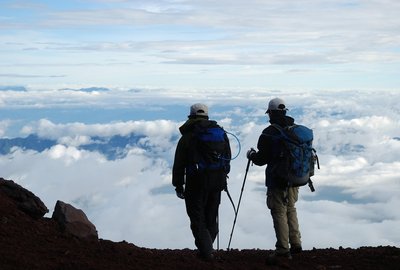
Volcanic peaks create their own weather. Clouds can build in minutes, and high winds are common on exposed rims. Carry a shell even on clear days, and be ready to turn around. Summits are optional. Getting home is not.
Tell someone your plan. Cell service is often unreliable in volcanic areas, so a written itinerary and a check-in time matter more than usual. Carry a paper map, a headlamp, and enough food and water for an unplanned night out.
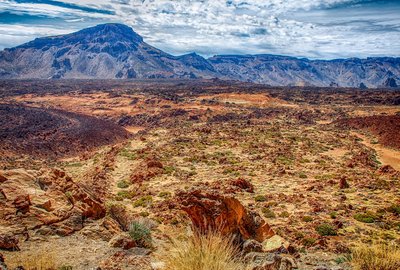
Finally, know your limits. Volcanic terrain is more tiring than the distance suggests. Loose ground, altitude, and heat all add up. If you feel off, stop. The mountain has been there for millennia and it will be there next time. Your job is simply to come back and enjoy it again.


Cinder Crest
Lava tubes offer a strange and beautiful underground world, and exploring them safely takes a bit of know-how.