
Hiking the Ring of Fire: A Beginner's Guide to Volcanic Trails
Trail Guides | October 4, 2026
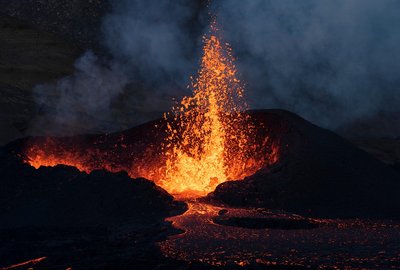
There is something primal about standing on the rim of a volcano. The ground beneath your boots was once molten rock, and in some cases, it still breathes steam through cracks in the earth. Hiking volcanic landscapes is unlike any other trail experience, and if you are new to this world, a little preparation goes a long way.
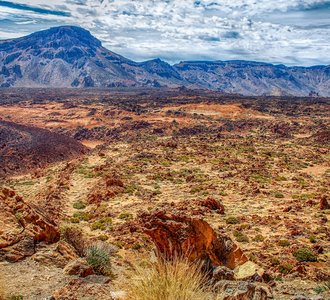
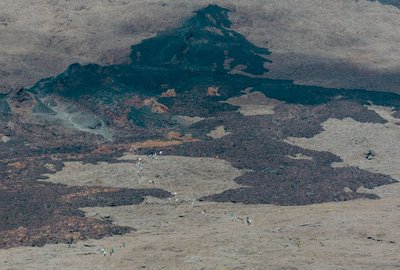
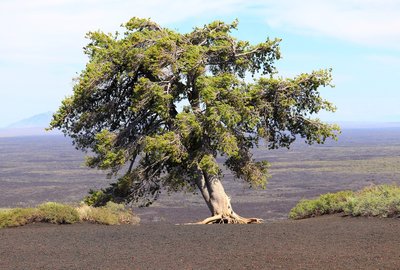
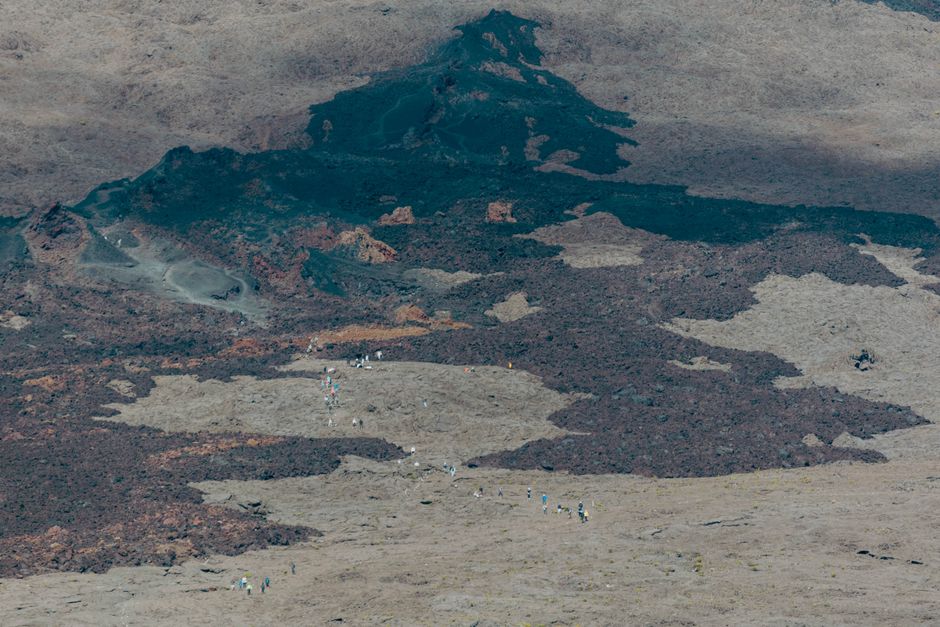
Volcanic trails come in every difficulty level, from gentle walks across old lava fields to steep scrambles up cinder cones. What they share is terrain that punishes the unprepared. Loose scoria, sharp a'a lava, and sudden weather shifts are part of the deal. The reward is scenery you simply cannot find anywhere else.
What to Wear and Carry
Start with your feet. Volcanic rock is abrasive and unforgiving, so choose boots with a stiff sole and high ankle support. Running shoes will survive a short lava field walk, but anything longer will leave you feeling every jagged edge. Gaiters are a smart addition if you expect ash or loose cinders, since they keep debris out of your socks.
Layers matter more than you might expect. Many volcanic areas sit at high elevation, where mornings can be freezing even when the coast below is warm. A breathable base layer, an insulating mid layer, and a windproof shell cover most conditions. Avoid cotton next to your skin; once it gets damp from sweat, it stays damp.
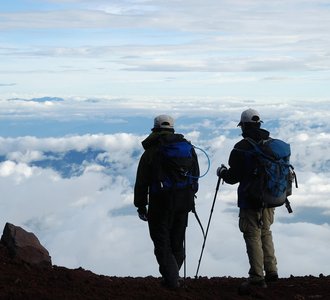
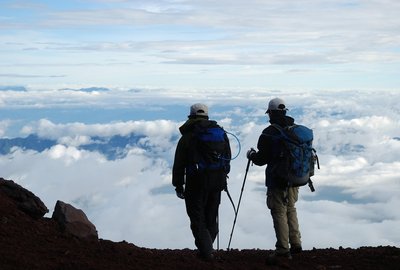
Bring more water than you think you need. Lava fields radiate heat, and there is often no shade for miles. A wide-brimmed hat, sunscreen, and sunglasses with dark lenses round out the essentials. Trekking poles help enormously on loose descents, where every step threatens to slide.
Reading the Landscape
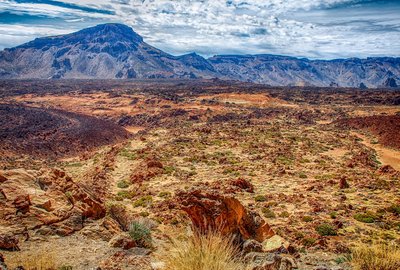
Volcanic terrain tells a story if you know how to read it. Smooth, ropy pahoehoe lava is easier to walk on than it looks, while chunky a'a lava will shred bare hands and thin trousers. Cinder cones are steep but usually short, and the loose surface means you take two steps forward for every one you slide back.
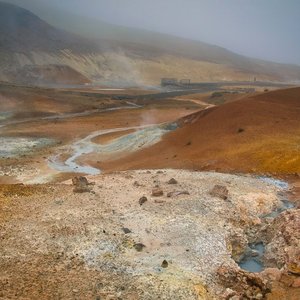
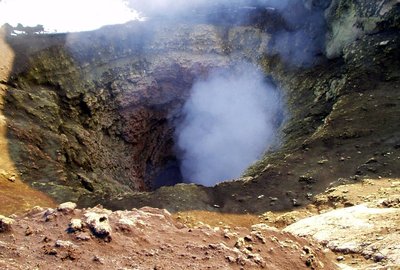
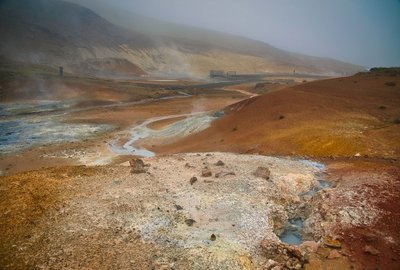
Steam vents and fumaroles are common in active areas. They are fascinating to watch, but never step off the trail to get closer. Crust over hot ground can be thin, and the ground itself can be dangerously hot. Stay on marked routes, respect closures, and check local conditions before you set out.
Weather on volcanoes changes fast. A clear morning can turn into fog, rain, or snow by afternoon. Turn around if conditions deteriorate. The mountain will still be there next season, and the best volcanic hike is the one you walk away from on your own two feet.
-
Above the Clouds, Below the Summit: Hiking Volcanic Ridges and Caldera Rims
Aug 29, 2026Gear & Prep

-

-


-
Above the Clouds, Below the Summit: Hiking Volcanic Ridges and Caldera Rims
Aug 26, 2026Gear & Prep

-

-

Cinder Crest

A personal account of chasing first light on a high volcanic summit and why the early alarm is always worth it.